A well-fitting helmet is essential for both motorcycle safety and comfort. To ensure a proper fit, it is a necessity to understand both head shapes and size. Different motorcycle helmet brands also offer unique features such as full face helmets with personalised-fit cheek pads, so it’s important to do your research to understand what helmet type is best for you. To help you get the best-fitting motorcycle helmet, we’ve put together this handy guide.
How Should a Motorcycle Helmet Fit?
To ensure a helmet fits properly, it should feel secure and stable without being tight enough to cause pain or leave marks on your face. A good rule of thumb is to use the width of a finger to gauge chin strap tightness. But how tight should a motorcycle helmet be? It should be snug but not restrictive. If you’re between sizes, test both to see which aligns better with your head shape and riding style. A helmet that shifts when you shake your head is too loose and unsafe, so take the time to find a properly fitting helmet – your comfort and safety depend on it.
When selecting a motorcycle helmet, one of the most important aspects to consider is the fit of the helmet liner as this will add to the snugness of the fit. The liner should conform to your head shape, providing essential cushioning and impact protection without causing pressure points or discomfort. A well-designed liner not only enhances safety by stabilising the helmet during a crash but also contributes to long-term comfort, especially on longer rides.
Check that the cheek pads should feel very snug when new, as they will give after the first few journeys. The top of the helmet, where the skull cap comes into contact with your head will not give to the same degree, and it’s important that it isn’t too tight or it can cause discomfort.
Understanding Head Shapes
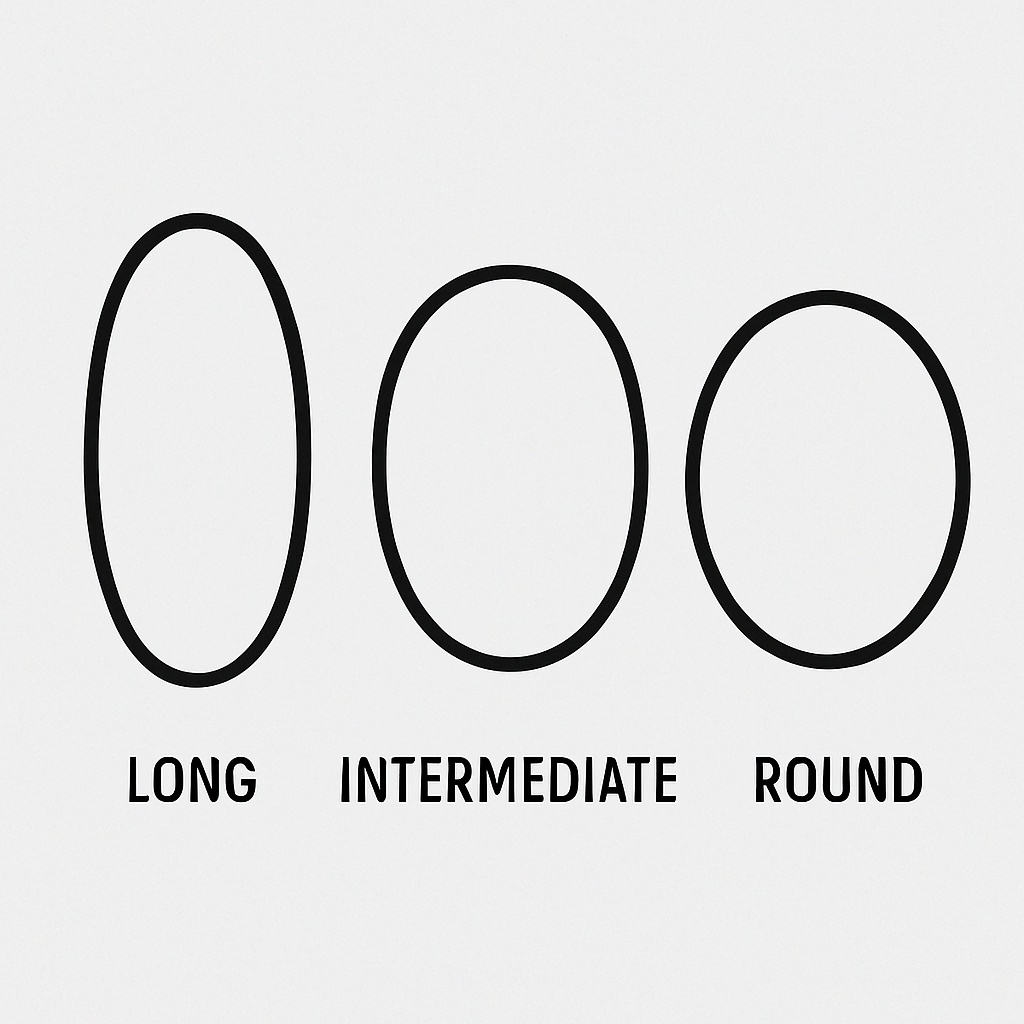
Firstly, you should consider your head shape. With varying head shapes, including round oval, intermediate oval and long oval, this will affect the way your helmet fits. Different helmet brands cater to various head shapes to ensure a snug fit and provide adequate protection without compromising safety. To figure out the best motorcycle for your head shape, determine (from the top of your head), whether you have a long, intermediate or round oval head shape.
Measuring Your Head
Next up, is to measure your head with a measuring tape. Finding the right size motorbike helmet is simple. Just wrap a tape measure around your head, about an inch above your eyebrows, to measure the circumference. Use the largest measurement around your forehead to determine your helmet size. Each of our helmet product pages includes a size guide to help you match your measurement to the correct fit. Keep in mind that sizing can vary between brands, so always refer to the specific manufacturer’s sizing chart.
Helmet Types and Features
Different helmet types can offer different comfort levels and protection during rides, depending on riding style.
- Full face helmets – these offer maximum coverage and protection.
- Flip up/modular helmets – Very similar to a full face, however you’ll find a slimmer neck roll and a more snug fit only allowed by a modular helmet.
- Open-face helmets – very light, with a less restricted feel while riding.
- Motocross/dual sport – A protruding chin bar allows for more space around your chin and mouth. Otherwise very similar to a full face fit.
Securing the Helmet
The chin strap on a helmet must be adjustable and equipped with a secure buckle to ensure a snug, safe fit. A properly fitted chin strap keeps the helmet stable without being overly tight, helping to prevent excessive movement during use. This secure fit is crucial, if a helmet can roll off in a crash, it fails to provide the protection you need. Among the various fastening systems, the Double D retention system is considered the most reliable, offering superior security and reducing the risk of injury. Ultimately, a well-fitting helmet should stay firmly in place and not shift or rotate excessively on your head.

Trying On Helmets
When trying on helmets, it’s important to wear your typical riding gear, including glasses or sunglasses, to ensure a proper and realistic fit. All major manufacturers now accommodate for glasses, unlike in the past, but make sure your glasses fit comfortably under the helmet without being pushed into your temples or shifting out of place. This helps ensure that your vision remains clear and unobstructed while riding.
Ensure you try on the helmet with any other head wear you’re likely to wear while riding, including balaclavas/neckwear and, most importantly, any ear protection, including ear plugs etc.
Additionally, check that your riding jacket collar doesn’t interfere with the helmet’s movement or comfort. Simulating real-world riding conditions during your helmet fitting process helps you make a more informed choice, resulting in greater comfort, safety, and overall satisfaction on the road.
Helmet Care and Maintenance
Regular helmet care is essential for extending its lifespan and maintaining its effectiveness, ensuring continued safety and comfort. To keep your helmet in top condition, clean both the exterior to help preserve both hygiene and functionality. Our most popular helmet care kit is what we would usually recommend. Regularly inspect the helmet for signs of wear or damage, and replace it if necessary to ensure it still offers adequate protection. Proper storage is also important, as it helps prevent material deterioration and preserves the helmet’s safety features and comfort. No matter your riding style or head shape, a well-maintained helmet provides the best possible protection on every ride.
Common Fit Issues
Discomfort while wearing a helmet, such as pressure on the forehead, tightness around the ears, or issues around the jaw and chin, often indicates a poor fit. Identifying these pressure points early is essential to avoid long-term discomfort and potential safety risks. A properly fitting helmet should feel snug and secure without causing headaches or irritation. If discomfort persists, adjustments like changing the removable cheek pads or switching to a different helmet model may be necessary, especially when factoring in individual head shapes and riding styles. Prioritising a precise fit ensures both comfort and safety, allowing for a more enjoyable riding experience. To ensure you get your right fit, visit our Nottingham store to try on helmets and get expert, tailored advice.
Helmet Safety and Certification
- Choose helmets with ECE 22.06 or other recognised safety certifications, ensuring adequate protection
- Helmets can slightly loosen over time as the padding compresses, but they generally should not become loose in a few days or after short use
- If you are planning on taking part in road racing, sprints, drag racing, hill climb and any speed events held wholly or part on bound metalled surfaces, then you’ll need to have an ACU gold motorcycle helmet
In conclusion, choosing the right helmet means balancing both safety and comfort. Consider key factors like fit, weight, ventilation, and features that align with your head shape and riding style. Explore our wide range of motorcycle helmets at BDLA and ensure the helmet you choose truly fits your needs. Ultimately, a well-fitting helmet is one of the most important investments you can make for a safe and enjoyable ride.