

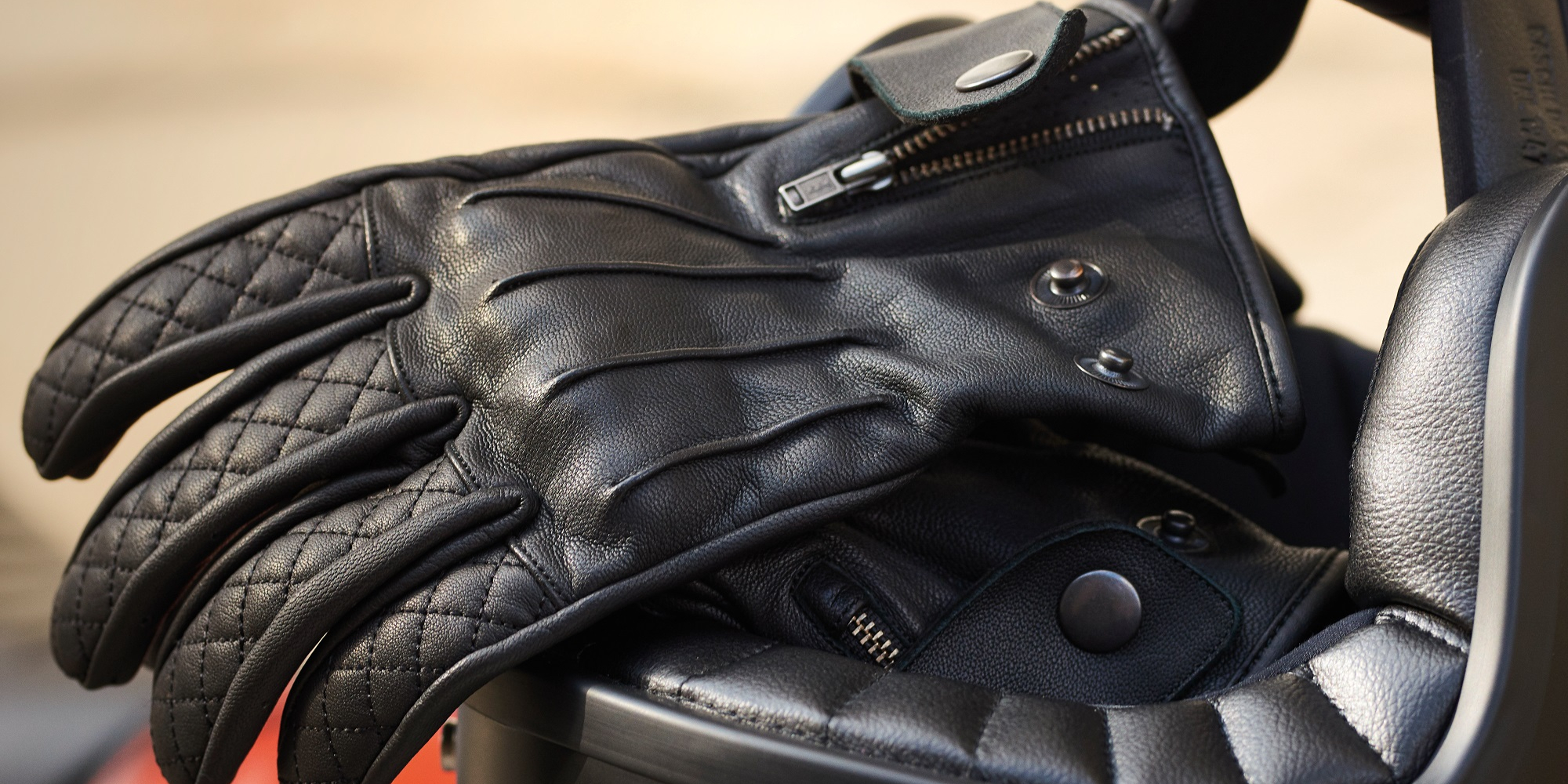
Those new to motorcycling might very well ask, ‘do you need gloves for motorcycling?’ The answer is a resounding yes and during this guide we are going to explain exactly why. While wearing motorcycle gloves may be seen as just an exercise in keeping your hands warm, the importance is arguably more significant in terms of protection and control.
We at BDLA Motorbikes are experts in everything related to motorcycling and we know that motorcycle gloves are not just an accessory, they’re a critical piece of safety equipment that can protect your hands and ensure control of the handlebars. Let us expand on this point further in our explanation of the importance of motorcycle gloves…
Why Motorcycle Gloves Matter
Proper motorcycle gloves are more than just an essential component of rider safety and comfort. In the event of a fall or collision, a rider’s natural instinct is to use their hands to break the fall, making them one of the most vulnerable parts of your body, open to serious injuries when making contact with the road surface. A good pair of quality motorcycle gloves provide essential protection against abrasions, fractures and other impact-related injuries like road rash.
In addition to this added safety, the best motorcycle gloves also enhance grip and control of the bike, especially in adverse weather conditions. They shield hands and wrists from wind, rain and cold temperatures, reducing the risk of numbness and fatigue during long rides. Additionally, modern motorcycle gloves often feature reinforced knuckles, enhanced abrasion resistance, palm sliders and touchscreen-compatible fingertips, combining safety with modern convenience.
The Legal and Safety Perspective
In the UK, wearing a helmet that meets specific safety standards is the only piece of motorcycle kit mandated by law. This means there is no legal requirement to wear gloves or other protective clothing while riding but all experienced riders acknowledge that this absence of legal obligation does not diminish the importance of wearing appropriate gear like a high quality pair of gloves.
Choosing not to wear protective gloves can have significant implications, particularly in the aftermath of an accident. If you do have a collision and have chosen to ride without gloves and other protective gear, insurance companies may consider the lack of protective gear as contributory negligence, potentially reducing compensation for injuries sustained. Furthermore, safety organisations like IAM RoadSmart advocate for the use of comprehensive protective equipment, including gloves, to enhance rider safety and reduce the severity of injuries in accidents.
It’s also significant to know that now all motorcycle gloves sold in the UK must carry CE certification, which verifies that they meet specific safety standards. There are three levels of certification: gloves may be CE certified without knuckle protection (typically labelled EN 13594:2015), or tested to a higher standard such as CE Level 1 KP or CE Level 2 KP under the same regulation. The “KP” stands for “knuckle protection”, and Level 2 KP offers the highest level of impact and abrasion resistance, making it the best choice for riders seeking maximum protection. When buying gloves, especially for regular or high-speed riding, it’s well worth checking the CE rating on the label or product description.
Types of Motorcycle Gloves
Now you know the importance of motorcycle gloves, let’s discuss the various different options there are when it comes to gloves, and when it’s best to wear different pairs.
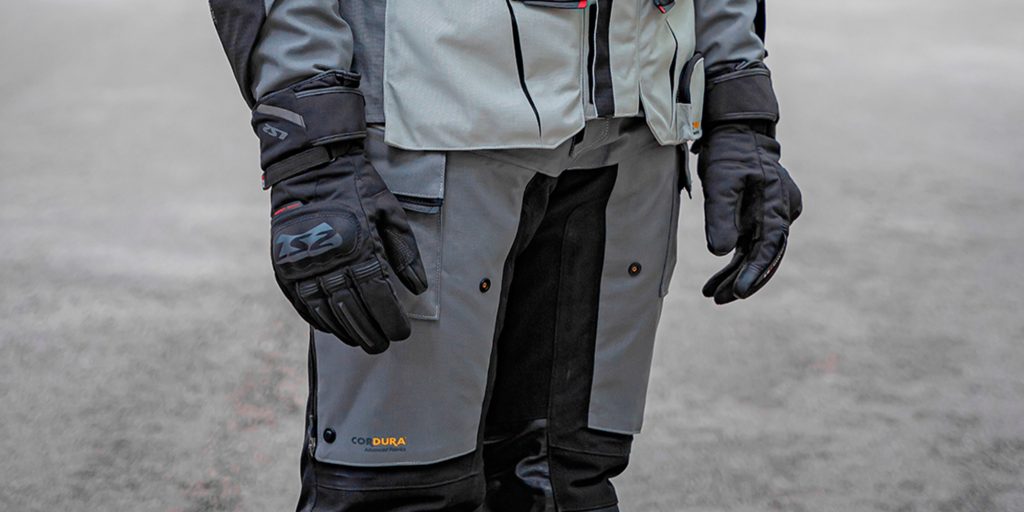
One of the most common distinctions is between summer vs. winter gloves, designed with varying levels of insulation and breathability to cope with different temperatures. With summer gloves and winter gloves, it’s really easy to know when to wear them! Elsewhere, you’ll also encounter short cuff vs. gauntlet styles, where short cuff gloves typically end at the wrist, and gauntlet style gloves extend further up the forearm for increased protection. If the weather is really cold, consider heated gloves, which have become a favourite in recent times – check out our heated gloves here.
Beyond these, gloves are often categorised by their intended use or riding style so you’ll know when to wear them. Racing gloves offer maximum protection and feel for high-speed riding, touring gloves prioritise comfort and weather protection for long journeys and urban styles focus on flexibility and casual aesthetics for city riding and everyday commuting. Key materials you’ll find include durable leather, versatile textile fabrics and reinforcing elements like Kevlar for abrasion resistance.
Features to Look For in Quality Motorcycle Gloves
When selecting your next pair of motorcycle gloves, several key features indicate quality and enhance your riding experience. Always prioritise gloves that meet recognised CE certification and safety standards, ensuring they’ve undergone rigorous testing for impact and abrasion resistance. Look for robust knuckle protection – often incorporating hard shells or padded inserts – and palm sliders, which are designed to help your hand slide rather than grip during a fall, preventing common injuries.
Depending on your riding conditions, consider ventilation features like perforations or mesh for hot weather and waterproof membranes for wet weather. And finally, for the modern rider, touchscreen compatibility on the fingertips allows you to operate your smartphone or sat nav without removing your gloves – check out touchscreen gloves here.
In Summary: Do You Have To Wear Gloves On A Motorcycle?
Hopefully by reading this guide you will know that motorcycle gloves are absolutely necessary, even if they are not legally required. More than just protecting your skin, the right motorcycle gloves enhance comfort and control, making motorcycling riding easier.For more information on motorcycle gloves, feel free to contact our team or visit our store. And to purchase your gloves, look no further than our enormous motorbike gloves collection.

