Posted on

Motorcycle Jacket Fitting Guide: How Should a Motorcycle Jacket Fit?

When it comes to riding, your jacket is one of the most important pieces of kit you’ll own. Get the fit right and it works with you, keeping armour in place and staying comfortable on every ride. Get it wrong and you’ll notice it straight away with shifting or a jacket that distracts you on the road.

We focus on helping riders find gear that fits properly and performs as it should. In this guide, we’ll walk you through exactly how a motorcycle jacket should fit.

Why Fit Matters in a Motorcycle Jacket

A well fitting motorcycle jacket does more than feel right, it plays a key role in keeping you protected. In the event of a crash, a proper fit helps keep the armour in the correct position so it can do its job when it matters most. On the road, the right fit also makes a big difference to comfort, preventing excess movement, flapping at speed and cold air working its way in. The result is a ride that feels more controlled, more comfortable and far less distracting.

Types of Motorcycle Jackets

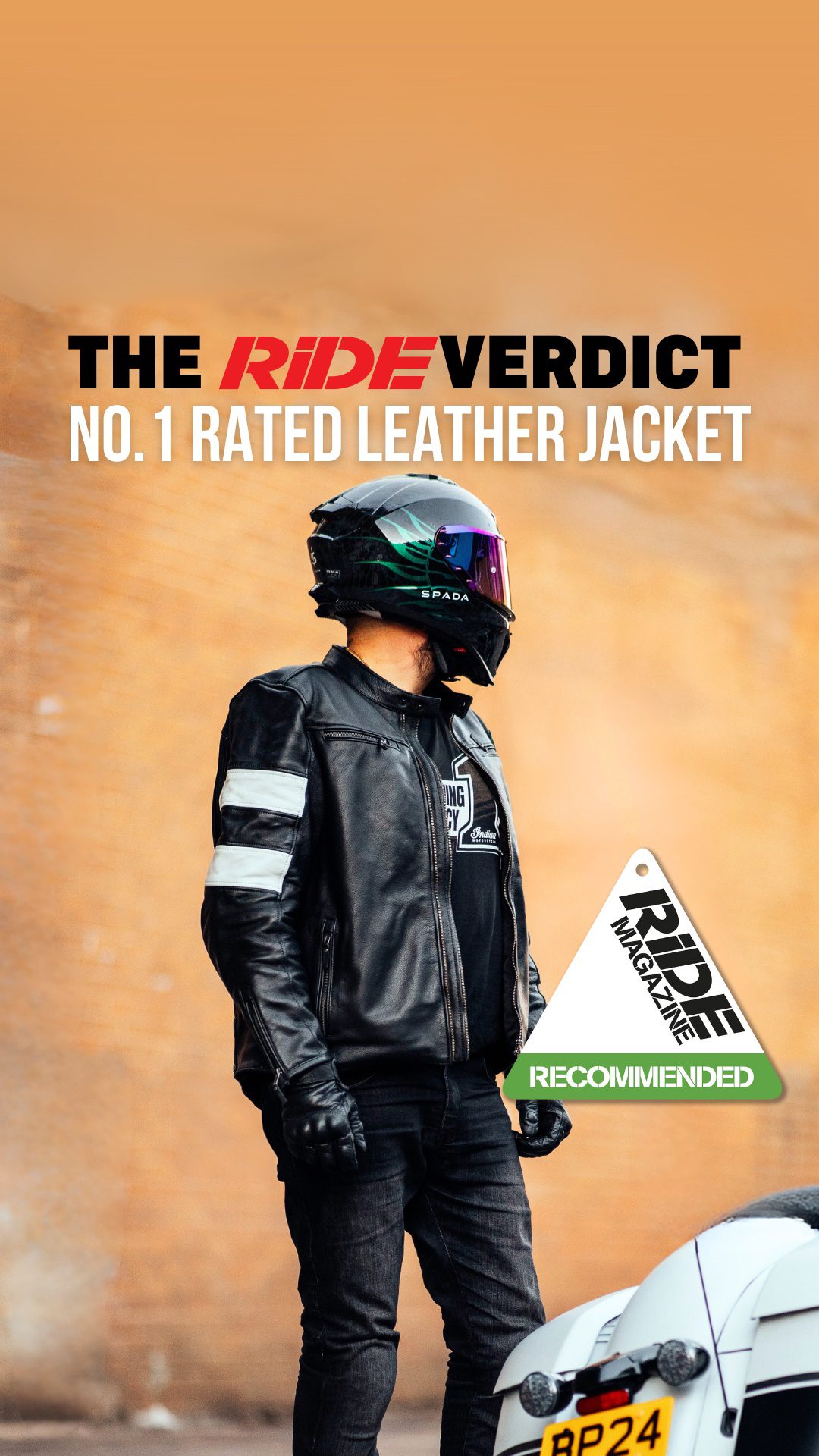
Leather Motorcycle Jackets

Leather motorcycle jackets are a classic choice for riders who want strong abrasion resistance and a close, secure fit. They are often preferred for sporty riding and offer excellent protection while maintaining a structured feel on the bike. Over time, leather tends to mould to your body, improving comfort without losing its protective qualities. We stock a range of options that suit both road and track focused riders.

Textile Jackets

Textile motorcycle jackets are one of the most versatile options available, making them a popular choice for touring and commuting. They are designed to handle changing weather conditions, often featuring waterproofing, ventilation and removable thermal liners. This makes them ideal for riders who want year round usability without compromising on protection.

Mesh Jackets

Mesh jackets are built for warm weather riding, offering maximum airflow while still providing essential protection. They are lightweight and comfortable, making them a great option for city riding or summer commuting when overheating can become an issue. While they are more focused on ventilation than insulation, they still include armour and abrasion resistant panels.

Key Areas to Check for Fit

Shoulders, chest and waist

Should feel snug but still allow natural movement, this helps keep the jacket stable on the bike and ensures armour stays in the correct position.

Sleeve length

Sleeves should cover your wrists fully when your arms are stretched forward in a riding position, helping prevent gaps, wind ingress and discomfort at speed.

Armour Positioning and Coverage

Shoulder, elbow and back armour position

Armour should sit correctly on the body and stay in place when you move, it should not shift when you lift your arms or lean forward.

Stability in different positions

Armour should remain secure whether you are standing or in a riding position so protection stays consistent at all times.

Length and Coverage

Lower back coverage

Jackets should fully cover your lower back when you lean forward in a riding position to prevent gaps, exposure and discomfort from wind and weather.

Riding style and jacket length

Longer touring jackets offer extra coverage and weather protection for long distance and all weather riding, while shorter sporty cuts provide more freedom of movement and suit a more aggressive or commuter focused riding position.

Trying On: What to Wear and Look For

When trying on a motorcycle jacket, wear a base layer or the type of clothing you would normally ride in. This gives you a much more accurate idea of how the jacket will feel on the bike and helps avoid choosing a size that feels fine in store but wrong on the road.

It is also important to test all the key features before deciding. Check that zips move smoothly and fasten securely, vents are easy to open and close and adjusters allow you to fine tune the fit without creating pressure points. A good jacket should feel secure but comfortable, with everything working easily while you are moving.

Fit Differences Between Leather and Textile

Leather jackets usually feel tighter when new and are designed to sit close to the body. This snug fit is intentional as leather naturally softens and moulds to your shape over time, improving comfort while maintaining a secure feel on the bike.

Textile jackets generally offer more flexibility in fit straight away. They often include adjustability at the waist, arms and cuffs, making it easier to fine tune the fit. They also provide more room for layering underneath, which makes them a practical choice for changing weather conditions and year round riding.

Signs Your Jacket Doesn’t Fit Properly

Too tight

Restricted movement, pinching across the shoulders or chest, or pressure points when you reach forward in a riding position. A jacket that is too tight can also make longer rides uncomfortable and reduce flexibility on the bike. If you are wondering ‘how tight should a motorcycle jacket be?’, then pop in to see us in store and we can advise you.

Too loose

Armour that shifts out of place, excess flapping in the wind or the jacket riding up while seated. A loose fit can reduce protection and make the jacket feel unstable at speed.

Getting the right fit in a motorcycle jacket is essential for protection, performance and comfort on every ride. A well fitting jacket keeps armour where it should be, reduces distractions on the road and helps you stay comfortable in changing conditions.

The best approach is to try different sizes and styles to see what works for your body shape and riding needs. Small differences in cut and fit can make a big impact once you are on the bike, so taking the time to find the right jacket will always pay off in the long run.

Posted on Leave a comment

Best Winter Motorcycle Clothing

Riding through winter can be incredibly rewarding, but only if you’re wearing the best winter motorcycle clothing. Cold temperatures, rain, wind and reduced visibility can quickly turn an enjoyable ride into an uncomfortable (and unsafe) one if you’re not properly prepared.

In this guide, we’ll break down the essential winter motorcycle clothing you need, the key features to look for, and the best materials to keep you warm, dry and focused when riding in cold-weather conditions.

Why Winter Motorcycle Clothing Matters

Winter motorcycle gear isn’t just about comfort, it’s about safety. Exposure to cold air, wind chill and rain can lead to fatigue, stiff joints and slower reaction times.

Proper winter motorcycle clothing helps:

  • Protect against cold, wind and wet weather
  • Maintain body temperature and comfort on longer rides
  • Improve concentration, reaction speed and overall road safety

When you’re warm and dry, you’re far more in control of your bike.

Key Features to Look For in Winter Motorcycle Gear

High-quality winter motorcycle gear should prioritise waterproofing, insulation and wind resistance. Waterproof outer layers prevent rain and road spray from soaking through, while effective insulation helps retain body heat in cold temperatures. Wind-resistant materials are particularly important, as wind chill can significantly reduce perceived temperature when riding at speed.

Additional features such as sealed seams, thermal linings and breathable membranes like Gore-Tex or similar technologies help regulate body temperature. Breathable materials allow moisture to escape, preventing sweat build-up that can make riders feel colder over time.

Best Winter Motorcycle Jackets

A reliable winter motorcycle jacket should offer strong protection against wind, rain and cold while remaining comfortable for long rides. Jackets with removable thermal liners provide flexibility, allowing riders to adjust insulation depending on temperature changes. High collars and storm flaps on waterproof motorcycle jackets help block cold air and water from entering around the neck and zip areas.

Adjustable cuffs, waist straps and ventilation zips improve fit and airflow, making the jacket suitable for a range of winter conditions. This adaptability ensures consistent comfort without sacrificing protection.

Best Winter Motorcycle Trousers

Winter motorcycle trousers are designed to complement your jacket by protecting the lower body from cold and wet weather. The best options are fully waterproof and windproof, with built-in or removable thermal liners to maintain warmth during colder rides.

Reinforced areas around the knees and hips improve durability and impact protection, while connection zips allow trousers to attach securely to a jacket. This creates a sealed barrier that prevents cold air and rain from entering while riding.

Winter Motorcycle Gloves

Keeping your hands warm is essential for maintaining control and comfort during winter riding. Insulated and waterproof motorbike winter gloves help protect against cold temperatures while ensuring a secure grip on the handlebars. Features such as knuckle protection and reinforced palms add an extra layer of safety.

For extremely cold conditions, motorcycle heated gloves or thermal glove liners are an excellent option. They provide consistent warmth and help prevent numb fingers, which can affect braking and throttle control. Riders looking for additional protection may also benefit from Motorcycle Handlebar Muffs, which help block wind and rain from reaching the hands.

Winter Motorcycle Boots

Winter motorcycle boots should offer reliable protection from water, cold air and potential impacts. Boots with waterproof membranes keep feet dry in wet conditions, while thermal linings help retain heat during longer rides. Strong ankle and shin protection adds safety without compromising comfort.

Taller winter boots are particularly effective, as they reduce water ingress and help block cold air from entering around the lower leg, especially in heavy rain or slushy road conditions.

Base Layers and Mid Layers

Base layers are a crucial foundation for winter riding, as they sit directly against the skin. Moisture-wicking motorcycle base layers help draw sweat away from the body, keeping riders dry and warm even during longer journeys. Proper base layers prevent dampness, which can quickly lead to heat loss in cold weather.

Mid layers such as fleece or insulated garments add warmth by trapping body heat without adding excessive bulk. When combined with a quality outer layer, this system allows riders to stay warm while maintaining freedom of movement. To further protect exposed areas, Motorcycle Balaclavas are ideal for reducing wind chill around the neck and face.

High-Visibility and Reflective Gear

Winter riding often means reduced daylight and poor visibility, making high-visibility gear an important safety consideration. Clothing with built-in reflective panels helps other road users spot riders more easily in low-light conditions.

Adding motorbike hi vis or reflective accessories further improves visibility in rain, fog and dark winter evenings. Being seen is just as important as staying warm when riding during winter months.

Choosing the right winter motorcycle clothing is essential for maintaining warmth, comfort and safety on the road. Well-designed jackets, trousers, gloves, boots and layered clothing systems help protect against cold, wind and rain while supporting focus and control.

By investing in quality winter gear and layering smartly, riders can enjoy year-round motorcycling with confidence. Proper preparation ensures that winter conditions don’t limit your riding experience but instead allow you to ride safely and comfortably in all seasons.